
Peacebuilding cannot wait in Lebanon
More than a million people in Lebanon have been forced to flee their homes. This huge displacement, combined with ongoing fear of military strikes, is putting Lebanese civilians under immense pressure.
Continued international efforts towards de-escalation, diplomacy and the pursuit of non-violent solutions are essential to prevent further harm.
Humanitarian needs are increasing across the country, services are struggling to keep pace and tensions growing both within and between communities. Overcrowding in shelters, limited access to basic services, and heightened uncertainty are contributing to stress and friction in daily interactions. Disagreements over shared resources, assistance, and living conditions are escalating, highlighting the fragility of the current situation and the risks of further social strain.
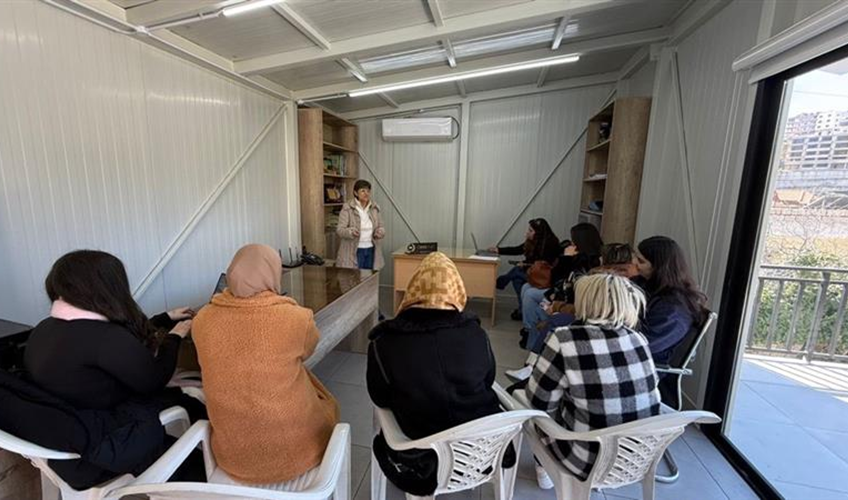
Meeting these challenges requires immediate humanitarian assistance to take place alongside efforts to lower tensions, heal divisions, and support community-led responses. Peacebuilding is urgently needed now.
From our experience working with local communities and from focus group discussions and de-escalation sessions with local women mediators, we have identified three urgent challenges – and what is needed to address them.
1. Rising hate speech and misinformation
Fear and uncertainty are increasingly reflected in public discourse. Rumours, misinformation, and polarising narratives are spreading, particularly in areas experiencing displacement and heightened insecurity. Unverified information shared through social media and informal networks is contributing to fear and suspicion, reinforcing stereotypes, and deepening divisions between groups.
Narratives of blame and generalisations targeting specific groups have emerged, risking further escalation and weakening social cohesion. Misinformation is often accompanied by hate speech targeting different groups, particularly on social media and television.
These dynamics are increasingly shaping perceptions and behaviour at the community level. As false information spreads, it can reduce trust and make dialogue more difficult. When left unaddressed, such narratives risk creating an environment where small incidents can quickly escalate into broader tensions.
2. Growing tensions between host and displaced communities
Pressure on housing, services, and local infrastructure is intensifying across Lebanon. These pressures are contributing to growing tensions between host and displaced communities, particularly in areas where resources are limited and humanitarian needs are expanding rapidly.
There is growing frustration and mistrust about perceived inequity in support. In some locations, help is primarily directed toward collective shelters, while displaced families hosted in communities, or host families already facing economic hardship, may receive limited assistance. Differences in access to aid, services, and housing arrangements are increasingly shaping opinions on fairness and contributing to social strain.
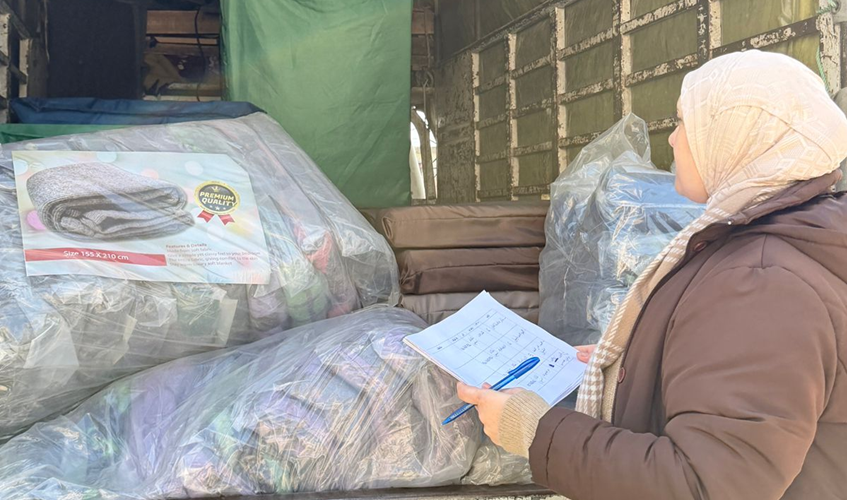
Focus group participants told us how these tensions are playing out on the ground, with disagreements emerging between host community members and displaced families over access to distributed items and services. In one area, mediators described tensions after assistance was provided to displaced families in a shelter, while nearby households facing similar economic hardship did not receive support.
3. Stress and uncertainty increasing sensitivity to tensions
The ongoing escalation, now unfolding within a broader regional war, is placing communities under intense psychological and emotional strain. Uncertainty about security, fear of further violence, economic pressure, and constant exposure to distressing developments are affecting people across the country, including those not directly displaced.
Many individuals are experiencing heightened emotional responses, including irritability, withdrawal, and difficulty managing conflict. These reactions are often linked to cumulative stress and difficulty coping with uncertainty.
These pressures are also shaping group interactions. In overcrowded environments and tense contexts, misunderstandings are becoming more frequent, patience is decreasing, and everyday interactions are increasingly influenced by fear and emotional fatigue. Minor disputes over daily routines, shared spaces, or community dynamics can escalate more rapidly, reflecting the broader psychological strain communities are experiencing.
Why peacebuilding cannot wait
Across Lebanon, communities are experiencing the consequences of a rapidly evolving and uncertain context. As the air strikes continue, displacement, fear, economic pressure, and social tensions are unfolding simultaneously. When humanitarian needs, misinformation, and psychosocial stress intersect, the risk of tensions increases particularly in contexts where resources are limited and trust is already fragile.
Peacebuilding is not a secondary intervention, but an essential part of responding to the current situation. Conflict-sensitive and gender-responsive approaches can help communities manage tensions, counter harmful narratives, and strengthen cooperation. This includes communication that promotes solidarity, transparent messaging on targeting criteria and funding limitations. It requires coordination between humanitarian and peacebuilding actors to ensure assistance considers local dynamics and minimizes the risk of tension.
Applying a gender lens is critical to ensure responses reflect the different experiences and needs of women, men, girls, and boys, particularly in contexts where crisis dynamics can deepen inequalities. Inclusive dialogue and engagement with affected groups, including women and marginalised voices, can help address divisions early. Supporting local women mediators, enables trusted community actors to respond quickly to misunderstandings and ease tensions.
Meeting these challenges requires immediate humanitarian assistance to take place alongside efforts to lower tensions, heal divisions, and support community-led responses.
The psychological toll of the escalation also requires community-based psychosocial support, safe spaces for dialogue, and integrating mental health considerations into response efforts. These approaches help communities manage stress, reduce reactivity, and strengthen their ability to navigate uncertainty collectively, while communication that promotes solidarity and shared responsibility can counter polarisation and reinforce constructive engagement.
In Lebanon, International Alert is supporting these efforts by working with local mediators and community actors to identify tensions early, facilitate de-escalation sessions, promote dialogue between affected groups. We support people to access mental health and psychosocial support services, helping communities manage stress, address trauma-related pressures, and reduce the risk of tensions escalating. Through conflict-sensitive approaches, community discussions, and coordination with humanitarian partners, these initiatives aim to reduce misunderstandings, support inclusive engagement, and ensure that responses strengthen cohesion rather than contribute to divisions.
At a time of heightened uncertainty, investing in peacebuilding helps communities manage pressure, respond collectively to crises, and reduce the risk of escalation. Peacebuilding cannot wait; it is an essential component of responding effectively to the current situation in Lebanon.


