Women mediators in South Lebanon: from training to crisis response
As war and displacement continue to affect daily life across South Lebanon, strained communities are drawing on the support and guidance from new leaders. These leaders don’t just provide material aid; they help others rediscover their own resilience in the middle of a crisis. When families had to flee their homes in 2023, and schools became emergency shelters, it was, in many cases, women who stepped forward with precisely this kind of leadership.
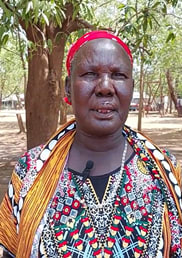
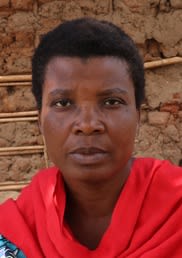
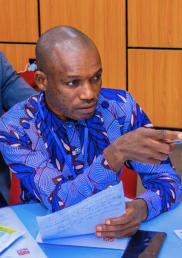
Among them were women mediators – local women trained to resolve conflicts, ease tensions through dialogue, and champion non-violent communication. They have vital skills, developed through years of participation in UN Women’s Women, Peace and Security (WPS) in the Arab States programme, implemented in partnership with International Alert and the Professional Mediation Center at Saint Joseph University (CPM-USJ), with funding from the government of Finland.
Their work matters now more than ever. In a context where fear, overcrowding, and economic strain easily turn into conflict, these mediators offer something rare: spaces where tension can be released rather than explode, and where supporting each other becomes a form of peacebuilding.
Women supporting women in crisis
In the Tyre area, displacement brought isolation and mistrust between host and displaced communities, weakening social bonds and support systems. Communication between and within communities broke down, creating a pressure cooker of tension.
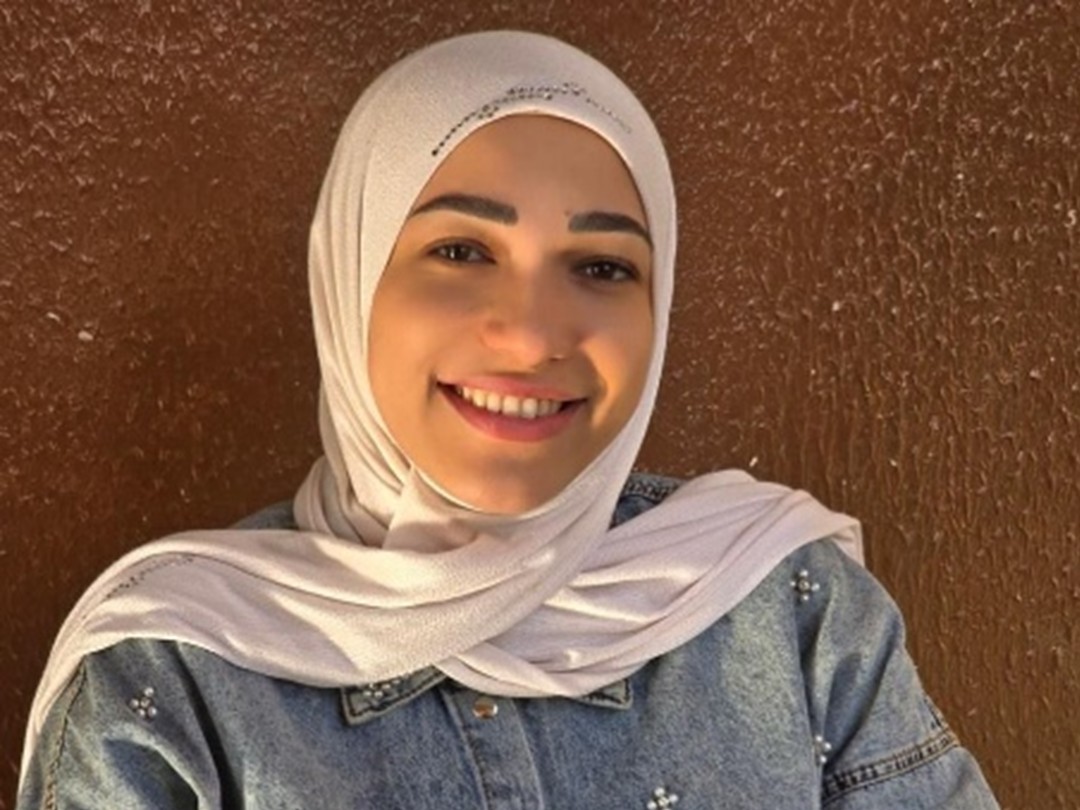
Many women found themselves profoundly alone, even when surrounded by family and friends. Zeina, a university teacher, was struggling to cope with constant uncertainty, the weight of trauma, and juggling professional demands with family needs in unstable conditions. She felt she was expected to hold everything together while having nowhere to put her own pain.
The sessions organised by four women mediators in Tyre helped Zeina to find solid ground again. She attended workshops on active listening, positive communication, and mediation, alongside mental health and psychosocial support (MHPSS) activities. There, Zeina found a safe space for stress management, emotional release, and healing.
This support was made possible through the Supporting Women in Crisis project, implemented by the Charitable Intellectual Development Association (CIDA) and funded by Korea under the Advancing the WPS Agenda in South Lebanon programme. The project allowed mediators to draw on skills from their original training and adapt their lessons learned to meet the immediate crisis.
Finding strength in vulnerability
Mediators’ prior experience and community ties enabled quick, effective action and inspired confidence among participants. Women who joined the sessions noticed the difference: they were not treated as passive beneficiaries, but as partners in dialogue. Facilitators listened actively, encouraged mutual exchange, and ensured that discussions reflected women’s lived realities.
Most importantly, women mediators connected with their trainees on a much deeper level because they were not afraid to be vulnerable and share their personal fears and experiences. They were neighbours and community members, women who understood viscerally what displacement meant – because they were living it too.
Visible impact
The sessions gave Zeina the tools to manage stress and communicate calmly with her family, colleagues, and students. “I feel more at ease and better able to understand others,” she shares.
Zeina’s wasn’t an isolated success story – it was part of a larger pattern the mediators saw. Displaced women reported feeling more comfortable speaking and sharing after just a few sessions. Group dynamics improved. Tensions that might have exploded instead became opportunities for dialogue.
The knock-on impact of this work is what makes it so important. Maria Geagea, project manager at International Alert Lebanon, puts it this way:
The impact of this work goes far beyond immediate crisis response because it addresses how people relate to one another every day, how they manage stress, communicate under pressure, and resolve conflict without escalation. When women gain these skills, the effects ripple outward to families, workplaces, and community relationships.
Sustaining the work despite the crisis
Despite continuing hostilities after the ceasefire, mediators reached approximately 90 women from displaced and host communities, empowering them to become facilitators of dialogue and recovery.
This transformation wouldn’t be possible without years of continued investment before the crisis struck. Between 2019 and 2025, UN Women, CPM-USJ, and International Alert trained hundreds of women mediators across the country – laying the foundation for women-led conflict prevention and social cohesion. When war broke out, these investments proved invaluable. Mediators were re-engaged to adapt their approach to new realities: addressing psychosocial well-being, improving communication, and reducing tensions in shelters hosting displaced families.

But sustaining this impact requires continued commitment. As Maria Geagea notes, it demands “continued investment in women mediators, follow-up sessions, and stronger links with local institutions so these practices become part of daily community life.”
A model for sustainable peace
By helping others move from overwhelm to agency, from isolation to participation, women mediators in Lebanon demonstrate how grassroots support can gradually transform how communities handle stress, disagreement, and change. Skills they developed before the war became the foundation for action and continue to shape recovery today.
The real strength of this work lies in how it multiplies. Each woman who learns to recognise emotional triggers, practice active listening, or manage conflict without escalation becomes a torchbearer for these practices in her own environment.
For Zeina and other women, the sessions gave more than stress management techniques. They gave her back the sense that even in circumstances beyond her control, she could choose how to respond. And in choosing differently, she becomes part of the solution, modelling healthy ways to navigate challenge for her students, colleagues, and family.
Through women like Zeina, the initiative demonstrates how supporting local women sustains progress, bridges humanitarian and peacebuilding efforts, and keeps dialogue at the heart of community cohesion.