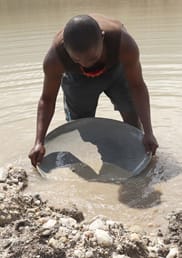
An exploration of how competition for mineral resources contributes to instability in the east of the Democratic Republic of Congo (DRC), and how this this information can be used to refine peacebuilding strategies.
This paper discusses why the lessons of past reintegration programmes in Burundi, Liberia and Nepal are not being learned and what implications this has for future EU disarmament, demobilisation and reintegration (DDR) programming.
O presente estudo de caso examina a governação dos recursos naturais em São Tomé e Príncipe, concentrando-se nos mecanismos ou estruturas de gestão, fiscalização e publicidade da informação (transparência) criados para monitorizar as receitas do petróleo desde 2007.
This case study examines the governance of natural resources in São Tomé and Príncipe, focusing on the management, oversight and transparency mechanisms or structures set up to monitor oil revenues since 2007.
This briefing paper aims to provide a platform ensuring the disarmament, demobilisation and reintegration (DDR) concept moves from policy to practice, and to explore what role the EU can play.
This report explores the complexities of responding to climate change in fragile and conflict affected contexts. It highlights the interaction between the impact of climate change and the social and political realities in which people live and sets out five policy objectives.
This challenge paper proposes a new vulnerability and protection business model for humanitarian assistance, which features six requirements.
Ce rapport décrit et évalue la concurrence pour le contrôle des ressources minérales comme un facteur clé dans les causes d'instabilité dans l'est du République démocratique du Congo (RDC).
В данном отчете представлен анализ мнений грузинских и абхазских общественных экспертов о необходимости создания гарантий безопасности, причинах, по которым стороны не смогли достичь соглашения по этому поводу, а также возможностях будущих соглашений.
This report examines the potential of Uganda’s newly discovered oil reserves and recommendations for increased transparency and principled leadership to promote broad economic opportunities of oil discovery for peace and development.
This paper presents the separate analyses of both Georgian and Abkhaz civil society experts on the need for security guarantees, the reasons why the sides have been unable to agree on them as well as barriers and opportunities for future agreements.
This resource pack contains five sections which lead the reader through a three-step cycle of understanding and analysing, planning and doing, and checking and improving Corporate Responsibility (CR) activities. It primarily addresses Small and Medium Enterprises (SMEs), and is based on experience from Sri Lanka.
This paper argues that at the core of the problem of persistent violence in Mindanao is the exclusionary political economy that is developed and sustained through a complex system of contest and violence.
This guide provides information and advice primarily for investors that are new to northern Uganda, and identifies key steps investors can take to ensure their business contributes to a peace economy.
International Alert's impact report 2009.
This snapshot briefing outlines current security and justice needs in Kailali, a rural Terai district, giving constructive recommendations for ways in which national and international actors could address these challenges.
This snapshot briefing outlines current security and justice needs in Morang - an industrial hub in eastern Terai region - giving constructive recommendations for ways in which national and international actors could address these challenges.
This snapshot briefing outlines current security and justice needs in Jumla - a remote hill district - giving constructive recommendations for ways in which national and international actors could address these challenges.
This working paper looks at the challenges around linking economic recovery and the wider peace process in Nepal, and seeks to surface district and Kathmandu-level perceptions of relevant stakeholders, especially among the business community.
This report - part of a series of four country case studies - explores the ways in which the economic causes, drivers and impacts of conflict have been tackled in Uganda.