
المواقع
للحصول على قائمة كاملة بالمواقع التي نعمل فيها، يرجى زيارة موقعنا باللغة الإنجليزية
أوكرانيا
نحن نعمل في أوكرانيا على تعزيز قدرة منظمات المجتمع المدني للمساعدة في بناء التماسك الاجتماعي وتشجيع المشاركة البناءة مع السلطات.
تعرّف أكثر على عملنا في أوكرانيا على موقعنا الإلكتروني باللغة الإنجليزية.
المملكة المتحدة
تدعو منظمة إنترناشونال ألرت، ومقرها الرئيسي في المملكة المتحدة، إلى استمرار الدعم لجهود منع نشوب النزاع وبناء السلام في كل أنحاء العالم.
تعرّف أكثر على عملنا في المملكة المتحدة على موقعنا الإلكتروني باللغة الإنجليزية.
تونس
نتصدى في تونس للتوترات الاجتماعية من خلال تعزيز إدماج الفئات المستبعدة والمهمشة.
طاجيكستان
في طاجيكستان، نحن نساعد الناس على إيجاد حلول سلمية للنزاع من خلال التركيز على القضايا التي تؤثر على السلام.
تعرّف أكثر على عملنا في طاجيكستان على موقعنا الإلكتروني باللغة الإنجليزية.
رواندا
في رواندا، نحن استمرينا في دعم إعادة الإدماج السلمية والمصالحة بين الناجين والجناة والمقاتلين السابقين والشباب المتضرِّرين بفعل الإبادة الجماعية.
تعرّف أكثر على عملنا في رواندا على موقعنا الإلكتروني باللغة الإنجليزية.
الفلبين
في الفلبين، نحن نركز على معالجة النزاع على مستوى المجتمع والمرتبط بالتمرد في مينداناو.
تعرّف أكثر على عملنا في الفلبين على موقعنا الإلكتروني باللغة الإنجليزية.
باكستان
في باكستان، نحن نعمل على إزالة العوائق التي تحول دون تحقيق الاستقرار والتقدُّم الاقتصادي للبلاد على المدى الطويل.
تعرّف أكثر على عملنا في باكستان على موقعنا الإلكتروني باللغة الإنجليزية.
نيجيريا
في نيجيريا، نحن نركز على تعزيز التماسك الاجتماعي، والحوكمة الأمنية، ومنع التطرف العنيف ومكافحته، وزيادة قدرة المجتمعات على الحؤول دون نشوب النزاعات وإدارة هذه الأخيرة.
تعرّف أكثر على عملنا في نيجيريا على موقعنا الإلكتروني باللغة الإنجليزية.
نيبال
في نيبال، نحن نشجع تحقيق السلام المستدام والإدماج والتماسك الاجتماعي والتعايش على الرغم من الانقسامات الاجتماعية وبناء ثقة عموم الناس بعمليات الحوكمة.
تعرّف أكثر على عملنا في نيبال على موقعنا الإلكتروني باللغة الإنجليزية.
ميانمار
في ميانمار، نحن نعمل على إدارة الموارد الطبيعية من أجل إرساء السلام، ومراعاة حساسية النزاع، ومراعاة الفروق بين الجنسَيْن، وتحقيق الأمن.
تعرّف أكثر على عملنا في ميانمار على موقعنا الإلكتروني باللغة الإنجليزية.
مالي
في مالي، نحن نعمل على تعزيز حوكمة الأمن، وتمتين الثقة والتعاون بين الدولة والمواطنين، وإدارة الموارد الطبيعية والنزاعات المتعلقة بالمياه.
تعرّف أكثر على عملنا في مالي على موقعنا الإلكتروني باللغة الإنجليزية.
قيرغيزستان
في قيرغيزستان، نحن ندعم الحوار والتماسك الاجتماعي واللاعنف والتسامح بين المجتمعات المحلية والمنظمات الدينية والمجتمع المدني.
تعرّف أكثر على عملنا في قيرغيزستان على موقعنا الإلكتروني باللغة الإنجليزية.
كينيا
في كينيا، نحن ندعم إدارة الموارد الطبيعية بشكل يراعي حساسية النزاع، ونشجع على الحوكمة الشاملة والتشاركية، ونناصر المساواة بين الجنسَيْن.
تعرّف أكثر على عملنا في كينيا على موقعنا الإلكتروني باللغة الإنجليزية.
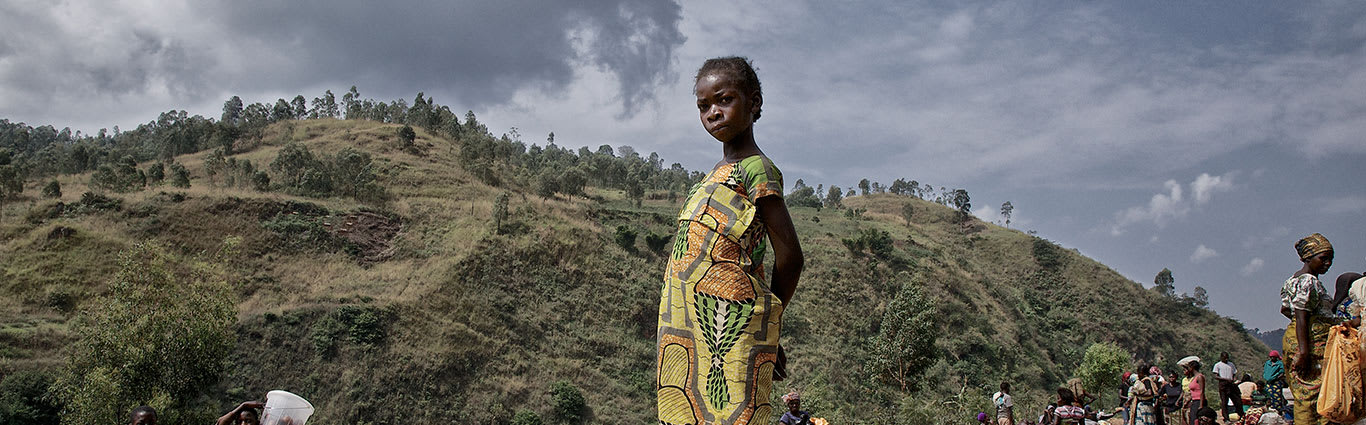
جمهورية الكونغو الديمقراطية
في جمهورية الكونغو الديمقراطية، نحن نساعد على زيادة عمليات السلام الشامل والتحفيز على صنع القرار، وبناء التماسك الاجتماعي، وتحسين تحليل ديناميات النزاع وفهمها.
تعرّف أكثر على عملنا في جمهورية الكونغو الديمقراطية على موقعنا الإلكتروني باللغة الإنجليزية.
منظمة إنترناشونال ألرت قسم أوروبا
تم إنشاء منظمة إنترناشونال ألرت قسم أوروبا لتحسين التواصل مع الحكومات الأوروبية والاتحاد الأوروبي والجهات المعنية الأخرى في سبيل دعم وبناء السلام المستدام.
تعرّف أكثر على عملنا في منظمة إنترناشونال ألرت قسم أوروبا على موقعنا الإلكتروني باللغة الإنجليزية.
سوريا
في سوريا، نعمل على دعم جهود بناء السلام المحلية والدولية، من خلال الحوار والبحث والمناصرة والتدريب ومواكبة المجتمع المدني والجهات الفاعلة الدولية.
لبنان
في لبنان، نحن نساعد المجتمعات المحلية على معالجة المخاوف وقضايا النزاع التي تواجه بلادهم.
-
 مجال تركيز آخر
 -
 مقرّ رئيسي
 -
 مكتب قطري